The digital world is experiencing one of the biggest shifts we’ve seen in years. If you’ve been noticing new features like AI Overviews, smarter recommendations, conversational results, and more personalized responses on Google, you’re not imagining it. Google is actively moving towards what many call AI search Google transformation, a redesigned search experience powered heavily by artificial intelligence.
But what does this shift actually mean?
Why is it happening?
And most importantly, how will it impact digital marketers, content creators, and businesses?
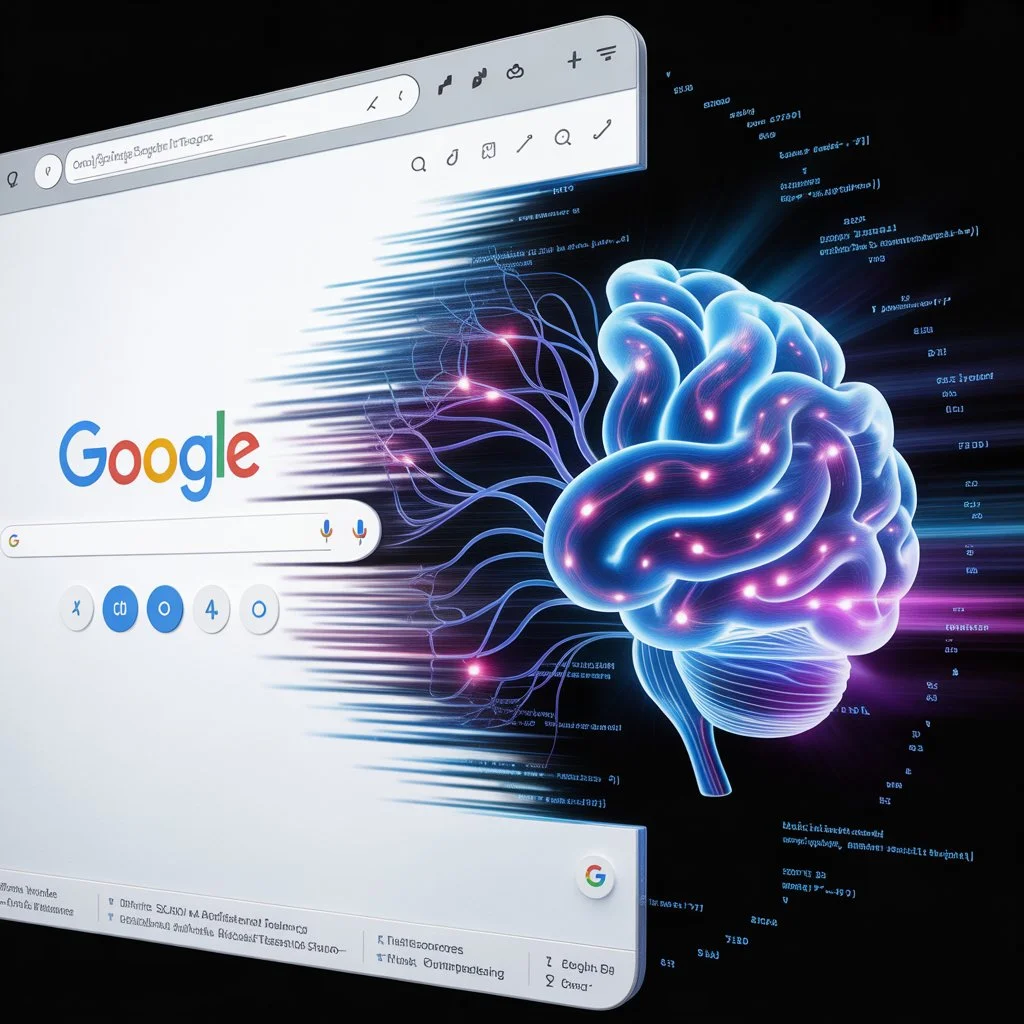
Why Is Google Shifting Towards AI Search?
Google’s mission has always been about “organising the world’s information.” But the way people search is changing. Today, users want faster, more accurate, and more personalised answers. They want solutions, not just links.
Platforms like ChatGPT, Perplexity, Gemini, and other AI tools have changed user behaviour. Instead of typing keywords, people ask questions like they’re talking to a human. This forced AI search Google transition because the traditional search engine wasn’t enough anymore.
So Google introduced:
AI Overviews (formerly SGE)
AI-powered ranking signals
Conversational search
Zero-click answers
More context-based results
Google wants to stay relevant and create a future-ready search system, one that understands intent deeply and responds intelligently.
What Exactly Is AI Search Google?
AI search Google = search results generated or enhanced by artificial intelligence rather than only traditional algorithms.
This means:
AI writes summaries on top of SERP
AI pulls insights from multiple pages
AI gives recommendations like a human assistant
AI predicts user needs
AI personalises results based on behaviour
AI reduces the need to click multiple websites
Essentially, Google wants to become something between a search engine + AI assistant.
New Features That Show Google Is Moving to AI Search
1. AI Overviews (formerly SGE)
This is the biggest proof of Google’s shift. AI Overviews show a complete answer at the top of the page summarised by AI.
Users don’t need to open multiple links. Google fetches information from trusted sources and presents it clearly.
2. Conversational Follow Up Questions
Users can now continue asking follow up queries without repeating keywords.
Example:
1st query: Best laptops for students
2nd query: Which one is good for editing videos?
Google remembers the context.
3. Zero-Click Results Increasing
More answers appear directly on search—weather, recipes, definitions, instructions.
This reduces clicks but improves the user experience.
4. Personalised Search Results
Your history, preferences, location, browsing pattern all influence the search results you see
5. Gemini Integrated Search
Google now uses Gemini to understand complex questions, analyse multimedia, and deliver more precise answers.
This is a huge step in AI search Google evolution.
So… What Does This Shift Mean for Marketers?
This is where things get interesting.
The shift to AI search is going to impact:
SEO
Content marketing
Paid ads
User journeys
Digital strategies
Here’s what marketers need to understand:
1. Organic Traffic Might Drop
If Google shows AI Overviews above your website, users may stop clicking links. This means:
- lower website visits
- lower blog traffic
- fewer clicks from keywords
This is the main impact of AI search Google so far.
But don’t worry, traffic isn’t disappearing. It’s just shifting.
2. Search Is Now More Intent-Based
Google is prioritising:
- user intent
- pain points
- clarity
- helpfulness
- firsthand experience
Instead of ranking content with keywords, Google is ranking content that answers questions thoroughly.
3. Content Needs to Be More Human-Centric
AI content is everywhere, but Google wants real stories, real opinions, real value.
Your content must include:
- personal experience
- case studies
- expert insights
- real examples
- emotional connection
Humanised content → higher trust → better ranking in an AI-driven search world.
4. Brands Must Build Topical Authority
Google prefers websites that are experts in a topic.
So instead of 100 random blogs, focus on topic clusters.
Example:
If your niche is social media marketing, create:
- “Instagram algorithm guide”
- “Content strategy for 2026”
- “Reels research”
- “Case studies”
- “Mistakes to avoid”
Topical depth = AI trusts your website more.
5. Video Content Will Rank Higher
Google owns YouTube.
Since AI search Google favours visual explanations, marketers must focus on:
- Reels
- Shorts
- YouTube tutorials
- Educational videos
Videos now appear inside search results more than ever.
6. Keyword Research Must Evolve
Instead of only focusing on high-volume keywords, marketers must target:
- question-based keywords
- long-tail keywords
- conversational queries
- intent-based keywords
- semantic clusters
Example:
Old keyword: “digital marketing course”
New era queries:
- “Which digital marketing course is best for beginners?”
- “Can I get a job after learning digital marketing?”
- “Is digital marketing still worth it in 2026?”
This helps Google pick your content for AI Overviews.
7. Brands Need to Build Trust Signals
Google ranks pages that show:
- author name
- experience
- authenticity
- reviews
- statistics
- expert POV
- transparency
E-E-A-T (Experience, Expertise, Authoritativeness, Trustworthiness) is more important than ever.
How Marketers Can Adapt to AI Search Google Era
Here’s your survival guide.
Write conversational, human stories
Explain things with your own voice, not generic AI text.
Create in-depth blogs and guides
Google rewards content that covers a topic fully.
Use clear headings and structured answers
This increases your chances of being included in AI Overviews.
Add personal case studies
Something AI cannot replicate.
Focus on multiformat content
Text + video + visuals = Higher visibility.
Build your brand everywhere
Do not depend only on Google. Use Instagram, LinkedIn, YouTube, Pinterest.
Final Thoughts: AI Search Google Is Not a Threat, It’s an Opportunity
In the end, Google’s shift toward AI search Google isn’t something to fear — it’s simply the next chapter in how people search and how brands connect with them. Strategies will evolve, but the heart of marketing stays the same: understanding people and offering real value. If you stay curious, adapt quickly, and create genuinely helpful content, this new search era will work in your favour. AI may guide the results, but your creativity, insight, and authenticity are what make your brand stand out. The future belongs to marketerswho blend technology with a human touch.